
Premier League Clubs Expand Ties to Unlicensed Gambling Operators Following Shirt Sponsorship Ban
Data from September 2026 shows that half of the Premier League’s twenty clubs now maintain sponsorship or advertising relationships with gambling companies not licensed in the UK; this figure has risen from six clubs to ten since the summer, and the increase follows the league’s voluntary decision to remove front-of-shirt gambling sponsors this season.
The shift coincides with the close of an eight-week UK government consultation that examined a proposed prohibition on sponsorships by unlicensed operators, and a ban is expected to take effect in 2027; these developments occur while the unregulated betting market continues to grow and while licensed operators such as Ladbrokes and William Hill navigate new competitive pressures.
Timeline of the Sponsorship Changes
Clubs began adjusting their commercial arrangements after the Premier League implemented its voluntary front-of-shirt ban at the start of the current season, and the policy removed the most visible form of gambling advertising from matchday kits; in response several clubs sought alternative revenue streams that include perimeter boards, sleeve partnerships, and digital promotions with operators based outside UK licensing jurisdiction.
By early September 2026 the total had reached ten clubs, and the doubling occurred across a period of roughly three months as new agreements were announced and existing contracts were extended or restructured; the pattern reflects a broader adjustment that clubs made once the most prominent shirt deals became unavailable.
Government Consultation and Expected 2027 Ban
The eight-week consultation examined measures that would prevent UK clubs from accepting sponsorship or advertising revenue from gambling firms without a British licence; submissions closed recently and the government has indicated that legislation is likely to be in place by 2027, which would formalise restrictions that the Premier League has already begun to apply on a voluntary basis.
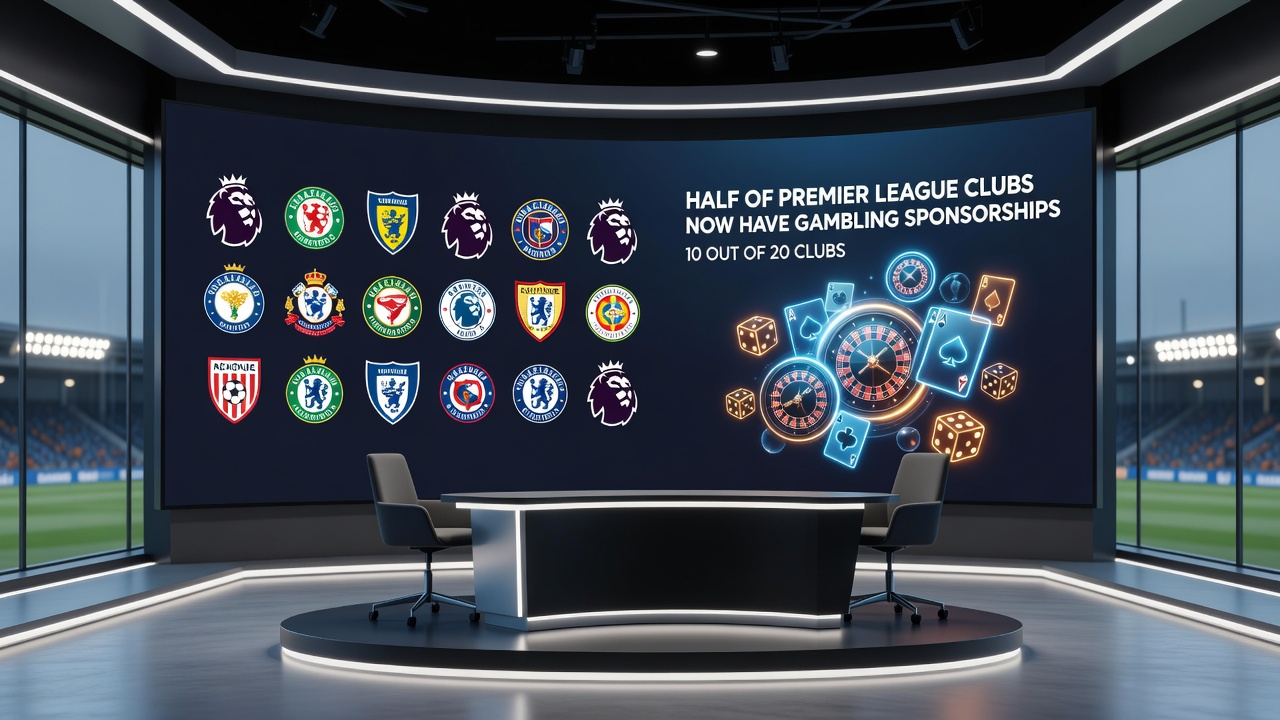
Under the proposed rules, clubs would need to verify that any gambling partner holds the appropriate licence issued by the Gambling Commission; failure to do so could result in financial penalties or reputational sanctions once the statute comes into force, and the timeline gives clubs roughly twelve months to review current arrangements before enforcement begins.
Tensions Between Licensed Operators and Clubs
Licensed operators such as Ladbrokes and William Hill have historically supplied sponsorship revenue and have complied with UK advertising standards; the emergence of unlicensed partners has created friction because these firms operate outside the same tax and regulatory framework, yet they can still offer clubs comparable financial packages for lower-profile inventory such as LED boards and social-media campaigns.
Industry observers note that the disparity in regulatory burden has prompted some clubs to explore offshore options, while licensed companies argue that the playing field should remain consistent until the 2027 rules take effect; the situation underscores the commercial incentives that arise when a high-profile league removes one category of sponsor without simultaneously closing off other advertising channels.
Growth in the Unregulated Betting Market
Parallel to these club-level decisions, the unregulated betting market has expanded in recent years, and figures indicate that offshore operators have increased their marketing spend across European football; the additional visibility allows unlicensed firms to reach UK audiences through indirect routes even as direct front-of-shirt exposure disappears from Premier League grounds.
Clubs that have entered into agreements with such operators cite the need to replace lost income, and the arrangements often involve digital or static advertising rather than the shirt placement that drew the greatest regulatory scrutiny; this evolution keeps the commercial relationship intact while shifting its form to comply with the league’s current voluntary code.
Implications for Future Commercial Strategy
With the 2027 ban approaching, clubs are expected to conduct fresh audits of all gambling-related contracts to ensure alignment with forthcoming legislation; those audits will likely examine not only sponsorship but also hospitality, data-sharing, and broadcast-adjacent promotions that might fall within the scope of the new rules.
Licensed operators may regain ground once enforcement begins, yet the interim period allows unlicensed entities to establish footholds that could prove difficult to dislodge without active monitoring; the Premier League’s experience therefore offers a case study in how voluntary measures interact with statutory timelines and market dynamics.
Conclusion
The rise from six to ten clubs with unlicensed gambling relationships illustrates how regulatory changes reshape commercial behaviour in elite sport; the government’s forthcoming legislation, scheduled for 2027, will determine whether the current trend continues or reverses, and the outcome will affect both licensed operators and the clubs that rely on advertising revenue from the betting sector.