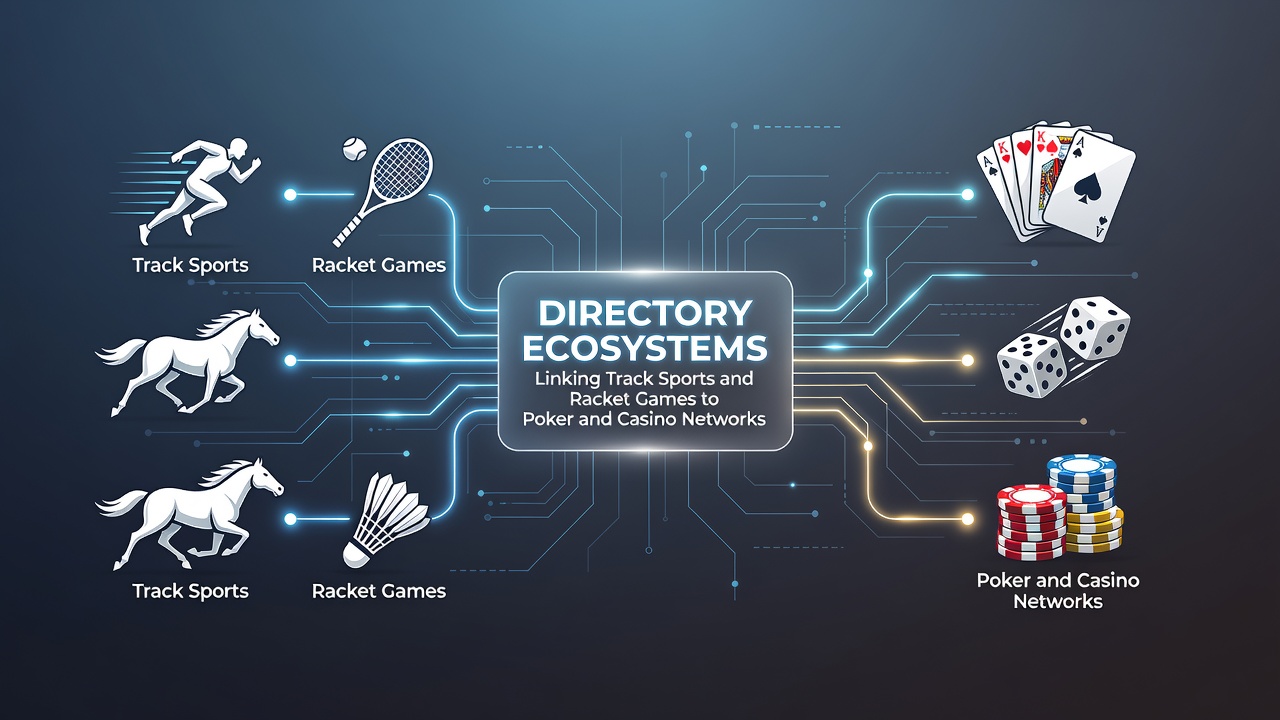
Interconnected Directory Networks Bridging Track Events Racket Sports and Casino Gaming Platforms
Directory ecosystems function as structured online frameworks that categorize and connect information across track sports such as athletics and horse racing alongside racket games including tennis and badminton while extending pathways into poker platforms and broader casino networks, according to data from the American Gaming Association. These systems organize listings by event type, regional availability, and game format so that users move seamlessly between athletic schedules, tournament brackets, and gaming tables without separate searches. Figures from industry reports reveal steady expansion in such networks through 2025 with projections indicating further integration by October 2026 as operators update category structures to reflect new tournament calendars and digital platform launches.
Core Components of These Directory Structures
Track sports directories typically list race times, athlete profiles, and venue details while racket sport sections compile match schedules, player rankings, and court specifications, yet the same platforms frequently embed links that route visitors toward poker lobbies and casino game libraries. Observers note that this linkage occurs through shared tags and cross-referenced categories where a tennis tournament page might display adjacent navigation to live poker rooms or slot machine networks. Data indicates that operators achieve this connectivity by maintaining unified databases that pull from multiple sports governing bodies and gaming regulators across regions including the Nevada Gaming Control Board and the Malta Gaming Authority.
How Cross-Category Linking Operates in Practice
Users who begin at a track event listing often encounter embedded modules that highlight poker tournaments scheduled around major athletics meets, and those exploring racket game results may find direct pathways to casino promotions tied to the same dates. Researchers at academic institutions studying digital gaming patterns have documented that these connections rely on API integrations between directory software and operator backends, which allow real-time updates across sports and gaming verticals. One case involved a European directory platform that synchronized horse racing entries with blackjack tables during international events, resulting in measurable increases in session durations without altering core content presentation.
Regulatory frameworks in various jurisdictions support this model by requiring clear categorization and responsible display of links, which helps maintain compliance while enabling the ecosystem to expand. In October 2026 updates to directory software are expected to incorporate additional filters that separate professional athletics data from recreational gaming options, based on trends reported by trade organizations monitoring North American and Asia-Pacific markets.
Regional Variations in Directory Implementation
North American directories tend to emphasize horse racing tracks and major tennis circuits with direct feeds into poker networks regulated under state compacts, whereas Australian platforms integrate badminton and squash events more prominently before routing users to casino-style offerings. Evidence from government statistical releases shows that these regional differences stem from local licensing rules that dictate how cross-promotion appears within a single interface. Industry analysts have recorded that platforms serving multiple continents use geo-specific routing to comply with each area's requirements while preserving the overall directory flow.
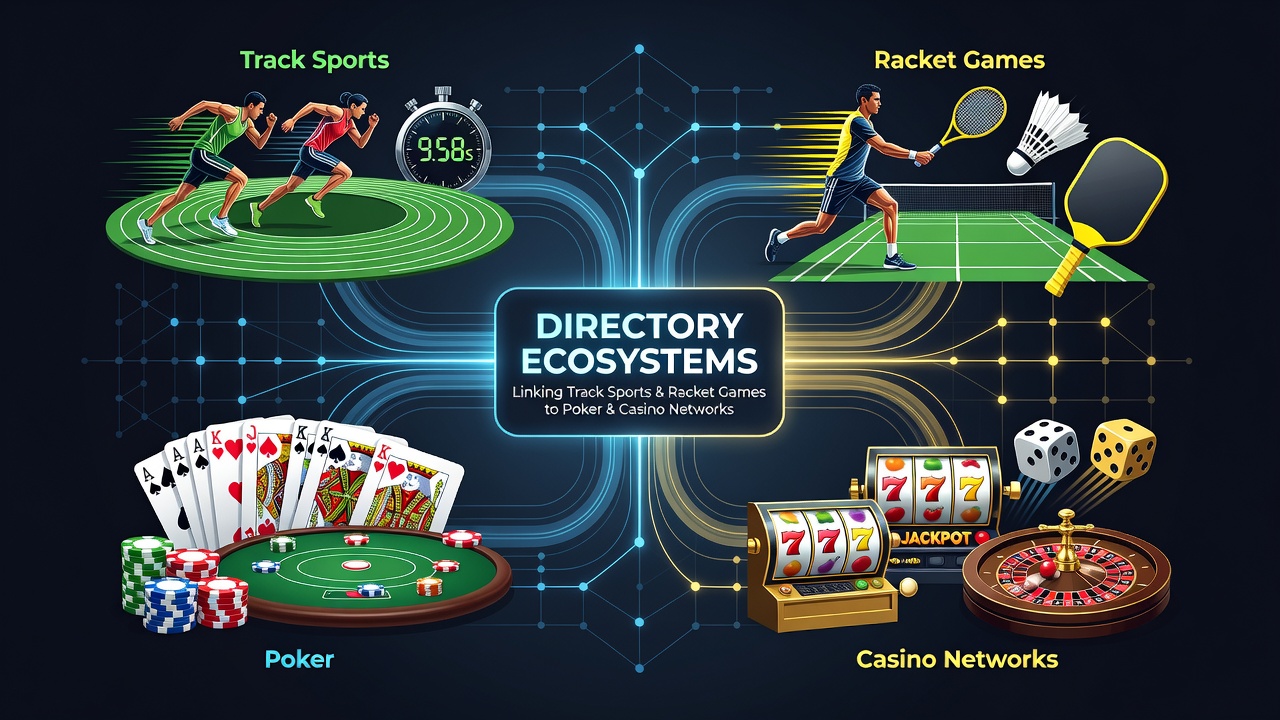
Technical Mechanisms Supporting the Ecosystem
Database architecture forms the backbone of these systems through relational tables that associate sports event IDs with gaming product codes, allowing a single search query to surface both athletic results and poker room availability. Developers implement breadcrumb navigation and internal search algorithms that prioritize relevance across verticals, and updates occur through scheduled feeds from official sports federations and licensed casino operators. Studies conducted by research groups focused on digital media consumption indicate that such technical setups reduce user friction and support longer engagement across the linked categories.
Future Developments Expected by Late 2026
Platform providers have outlined plans to introduce enhanced mobile interfaces that maintain consistent directory logic across devices, with particular attention to how track sport calendars align with poker festival dates. Regulatory bodies in multiple regions continue to review these expansions to ensure transparent linking practices remain in place. Data compiled through 2025 demonstrates consistent growth in directory traffic that spans athletic and casino content, suggesting sustained momentum into the following year.
Conclusion
Directory ecosystems that link track sports and racket games to poker and casino networks operate through coordinated categorization, technical integrations, and regional compliance measures. Information flows across these platforms via shared databases and navigation tools that connect athletic schedules with gaming options while adhering to established regulatory standards in different jurisdictions. Continued updates through October 2026 and beyond will likely refine these connections further as operators respond to evolving event calendars and platform capabilities.